German cockroach infestations require a mechanical and biochemical approach that differs entirely from seasonal outdoor barrier sprays. In residential pockets like Haymount and Terry Sanford, older architectural trim,…
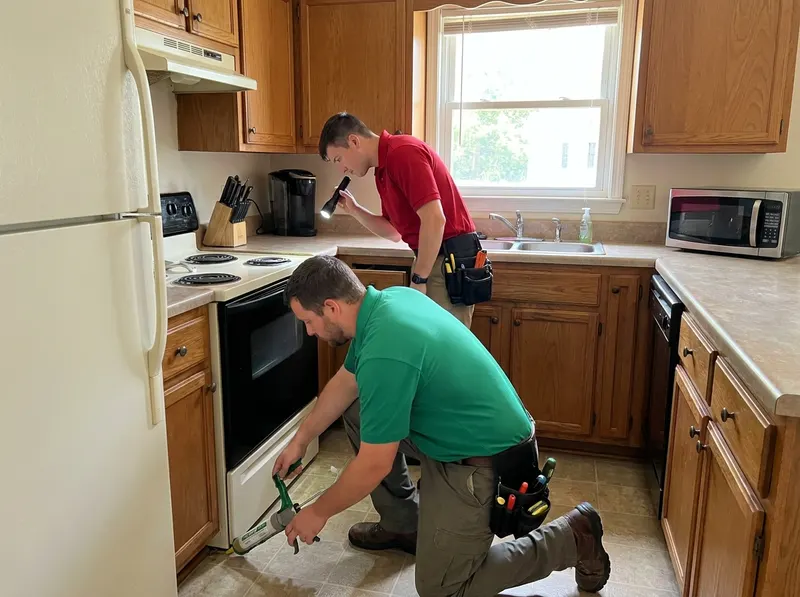
German cockroach infestations require a mechanical and biochemical approach that differs entirely from seasonal outdoor barrier sprays. In residential pockets like Haymount and Terry Sanford, older architectural trim, unsealed lath wall cavities, and retrofitted kitchen cabinetry create deep interior harborages that over-the-counter aerosol foggers cannot penetrate. Retail bug bombs disperse contact pyrethroids that trigger an evasive dispersal reflex, driving reproductive females deep behind drywall, dishwasher insulation, and electrical junction boxes. A professional clean-out isolates colonies using non-repellent gel baits formulated with active ingredients such as indoxacarb, dinotefuran, or hydramethylnon. Foraging nymphs consume the bait and return to harborages, transferring lethal doses throughout the cluster via coprophagy and necrophagy, which collapses the colony nucleus without spreading insects into adjoining bedrooms.
Humidity dynamics in Cumberland County, particularly near the Cape Fear River basin and low-lying zones in Cottonade and Arran Hills, accelerate the reproductive rate of Blattella germanica. A single female carries an ootheca containing 30 to 48 eggs, dropping it mere hours before hatching, producing generational overlaps every 30 to 45 days inside appliance motor housings. Structural treatment pairs non-repellent baits with synthetic insect growth regulators (such as pyriproxyfen or novaluron) that arrest nymphal molting and leave adult roaches sterile. In multi-unit developments near Fort Liberty, Montclair, and Jack Britt, plumbing runs connecting shared wet walls between kitchens and utility rooms receive micro-injected desiccant dusts (amorphous silica) inside drill-and-plug access points or switch plate openings, creating permanent inhospitable corridors that block migration.
Preparation accuracy determines overall treatment efficacy. Residents complete an eight-point prep workflow: emptying lower kitchen cabinetry, clearing the perimeter around refrigerators, eliminating standing basin water, and bagging pantry dry goods. Because modern baits rely on palatability, sanitation eliminates competing grease layers and particulate food debris. Standard protocol includes a structured follow-up inspection at 14 to 21 days to evaluate monitor counts on placed adhesive stations, treat newly emerged first-instar nymphs before they achieve reproductive maturity, and replenish consumed bait placements. Every intervention operates on an issue-specific basis without lock-in service agreements.
Every job gets a firm, written price after a free on-site visit.
Tell us about your german cockroach clean-out program job in Fayetteville and we'll send a clear, written quote, usually the same day.
 Praxeno Pest Solutions